R&D Tax Credits for Engineering Firms
We help engineering-driven businesses identify, document, and defend those credits while minimizing disruption to project teams and operations.
What Sets Us Apart
- California CPA License
- 8+ Years Specialized Experience
- Flat Fee Pricing Model
- Federal & State Credit Expertise
Do Engineering Firms Qualify for R&D Tax Credits?
In Many Cases Yes , The federal R&D tax credit is not limited to scientific laboratories or pharmaceutical research.
Engineering companies often perform activities involving:
- Technical uncertainty
- Design alternatives
- Prototype development
- Performance testing
- Material evaluation
- Process improvement
- System optimization
These activities frequently satisfy the requirements under Internal Revenue Code Section 41.
Why Engineering Projects Frequently Qualify
Engineering projects rarely begin with a known solution.
Teams often need to evaluate multiple approaches before identifying the optimal outcome.
Examples include:
- Structural design alternatives
- Material selection decisions
- Thermal performance improvements
- Manufacturing process optimization
- Automation design
- Product redesign
- System integration challenges
The process of solving these technical challenges is often what creates eligibility for the credit
Common Qualifying Activities
Product Design and Development
Examples include: (New product development, Prototype creation, Mechanical design improvements, Product redesign initiatives, Functional enhancements )
Process Improvement Projects
Examples include:(Manufacturing efficiency improvements, Throughput optimization, Waste reduction, Automation initiatives, Production redesign)
Engineering Analysis and Testing
Examples include:(Stress testing, Thermal testing, Failure analysis, Simulation modeling, Validation testing)
Prototype Development
Examples include:(Pilot systems, Test units, Beta designs, Experimental configurations)
Software and Controls Development
Examples include:(Embedded software, Automation controls, Industrial systems programming, Sensor integration, Robotics applications)
Activities That Usually Do Not Qualify?
Examples often excluded include:
- Routine drafting work
- Standard installations
- Cosmetic modifications
- Reverse engineering without innovation
- Basic maintenance activities
- Replication of existing designs
The determining factor is typically whether technical uncertainty and experimentation existed.
Typical Credit Range for Engineering Firms
While every company is different, engineering-focused organizations often fall within the following ranges:
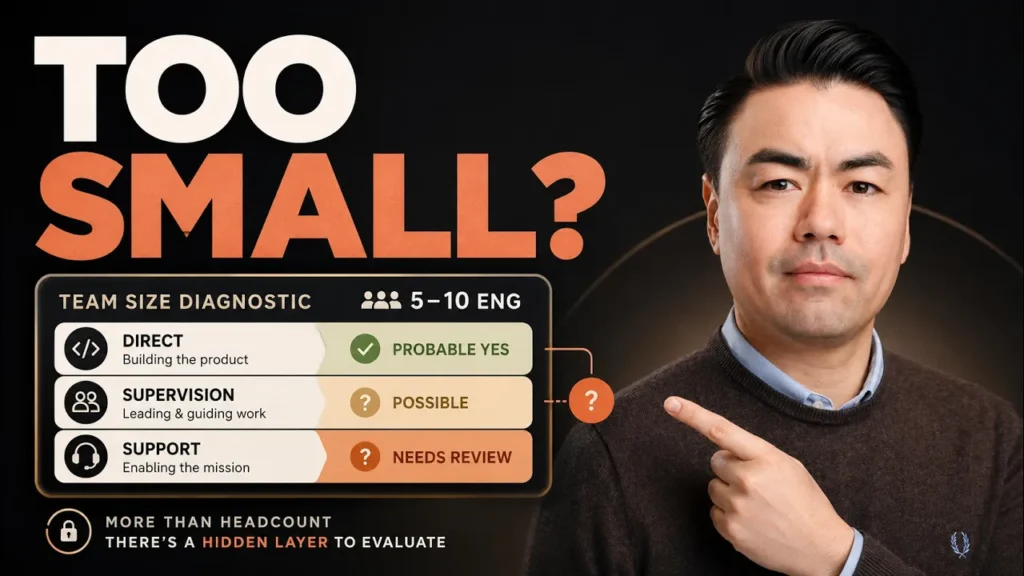
Engineering Team Size | Typical Credit Range |
5–10 Engineers | $50,000–$100,000 |
10–25 Engineers | $100,000–$250,000 |
25–50 Engineers | $250,000–$500,000+ |
Actual results depend on qualified expenses and development activities.
Section 174 and Enginnering Companies
Many companies qualify for credits while simultaneously managing Section 174 compliance obligations.
Most growing Enginnering company are affected by both.
Common Mistakes Engeenring
Companies Make
Drag to browse
01 / 05
Assuming Their CPA Handles It
Many general accounting firms do not specialize in software R&D credits.
02 / 05
Waiting Until Tax Season
Capturing documentation throughout the year simplifies the process significantly.
03 / 05
Underestimating Qualified Activities
Many companies only include obvious projects and overlook architecture improvements or infrastructure work.
04 / 05
Focusing Only on Federal Credits
State credits often create additional opportunities.
05 / 05
Ignoring Section 174 Requirements
Many startups were caught off guard by the capitalization changes.
Why Engineering Companies Choose Us
We Understand Technical Organizations
We understand:
- Engineering design cycles
- Prototype development
- Validation testing
- Product iterations
- Manufacturing constraints
- Technical documentation
Flat Fee Pricing
Most providers charge 20-30% of the credit.
We charge a predictable flat fee.
As your credit grows, our fee does not.
Flat Fee Pricing
Most providers charge a percentage of the credit generated.
We use a transparent flat-fee model that aligns incentives with our clients.
Defensibility First
We maintain regular communication with founders and technical leaders throughout the engagement.
Long-Term Partnership Approach
Quarterly check-ins simplify future claims and improve documentation quality over time.
FAQ
Do failed engineering projects qualify?
Yes.
Success is not required for qualification.
Can process improvements qualify?
Frequently yes.
Many manufacturing optimization projects qualify.
Do prototypes qualify?
Often yes.
Prototype development is commonly included.
Are engineering contractors eligible?
In many situations, yes.
Can construction engineering qualify?
Construction activities themselves may not qualify, but engineering innovation and technical design activities often do.
Can software developed by engineering teams qualify?
Absolutely.
Embedded software and automation systems frequently qualify.

Vinit Gupta

Brendan Conaway
"You're a BAMF."
What Our Clients Say
Our Clients