


Author:
Chris Peters, CPA
Role:
Managing Director
Publish Date:
If you're managing an engineering team with five to ten members, you may have dismissed the possibility of claiming R&D tax credits, assuming they are only for larger corporations. However, you could be overlooking a significant financial benefit. Through understanding and applying the IRS's four-part test, small teams can uncover substantial savings, sometimes even six figures, much like the 17-engineer team that unlocked $187,000 in payroll tax offsets.
The Misconception of R&D
Many small business owners believe their teams aren't conducting research and development, mistakenly equating R&D with lab coats and cutting-edge technologies. However, R&D as defined by the IRS could be integral to your regular operations. The reality is that R&D encompasses far more than the classical definition many are familiar with.
Understanding the Four-Part Test
To determine if your work qualifies as R&D, the IRS has developed a four-part test:
Permitted Purpose Test: This assesses why you’re building something new or enhancing an existing feature. Projects aimed at improving speed, performance, or quality typically meet this criterion.
Technological in Nature: The project must rely on principles of hard science. Software development often falls under this category.
Technical Uncertainty: The IRS requires evidence of technical challenges and problem-solving during the development process.
Process of Experimentation: It is important to demonstrate how you overcame challenges through experimentation, utilizing trial and error.
A Step-by-Step Approach
For any small engineering team, evaluate your top five projects using this test. Document the goals and challenges of each, then assess which projects clear all four parts of the test. This exercise not only enables qualification for the credit but also enhances organizational understanding and documentation practices.
Beyond the Core Team: Expanding the Credit
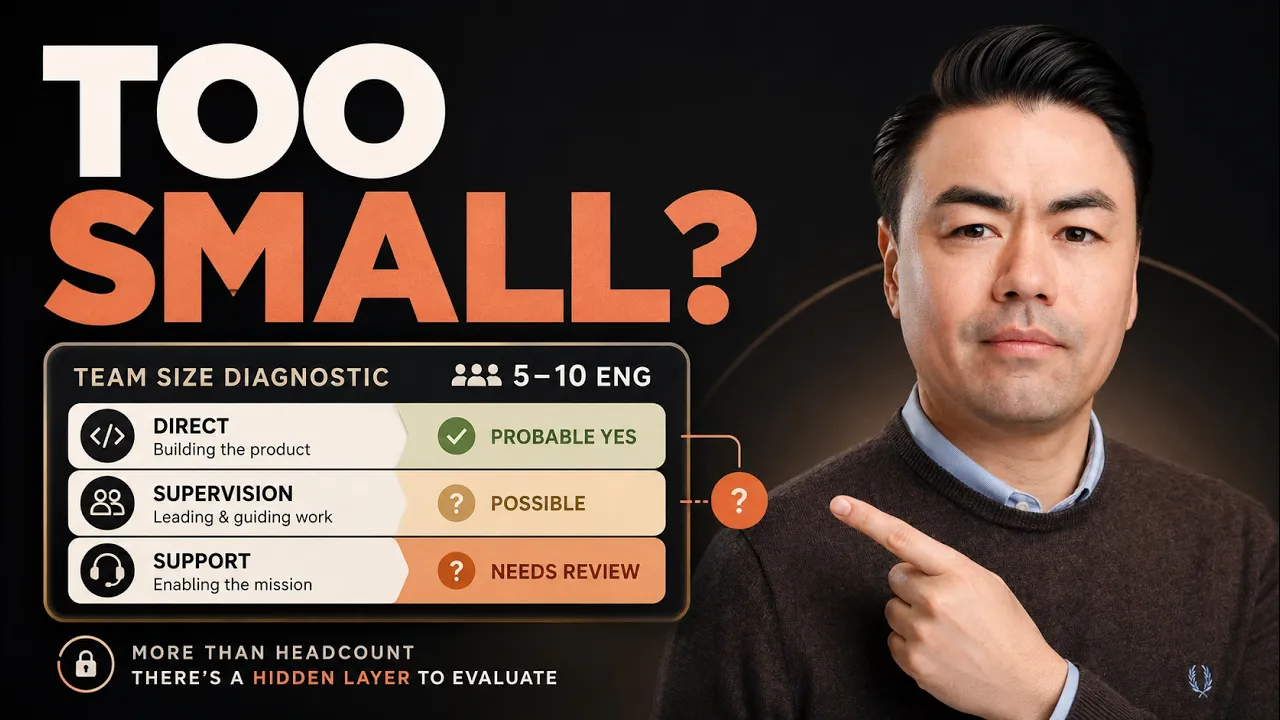
Most assume the credit applies solely to direct R&D work, but in reality, time spent in direct supervision and support roles can also qualify. Supervisors, like CTOs, who oversee engineering activities, and support staff, involved in R&D processes directly, contribute to your overall qualification. Applying this broader lens often doubles the credit calculations.
Case Study: Space Tech Company
A space tech client, previously undervalued at less than $500,000 in qualified wages by a standard provider, discovered $1.5 million after employing this broader qualification framework. This drastic difference underscores the importance of comprehensively evaluating all layers of potential qualification.
Navigating Disqualifiers
Be aware of some common disqualifiers: offshore teams don't qualify as all work must occur in the U.S., and projects where the rights and risks are owned by clients, not your team, cannot be claimed by you. Similarly, too-small teams or those at the very start of their lifecycle may not yet qualify.
Three Tiers of Likelihood
Probable Yes: US-based W-2 engineers, significant technical challenges, and considerable payroll.
Worth Investigating: A mix of W-2 and contractors with lower payroll and fewer challenges still might qualify.
Likely No: Primarily offshore teams, contract work owned by clients, or very early-stage businesses.
Conclusion
Before concluding that an R&D tax credit isn't for you, consider your current operations and apply the insights shared here. Often, the credit is more accessible than initially perceived. Whether you choose to self-audit or seek professional guidance, understanding this credit can lead to significant financial benefits for your business.
